 By
By 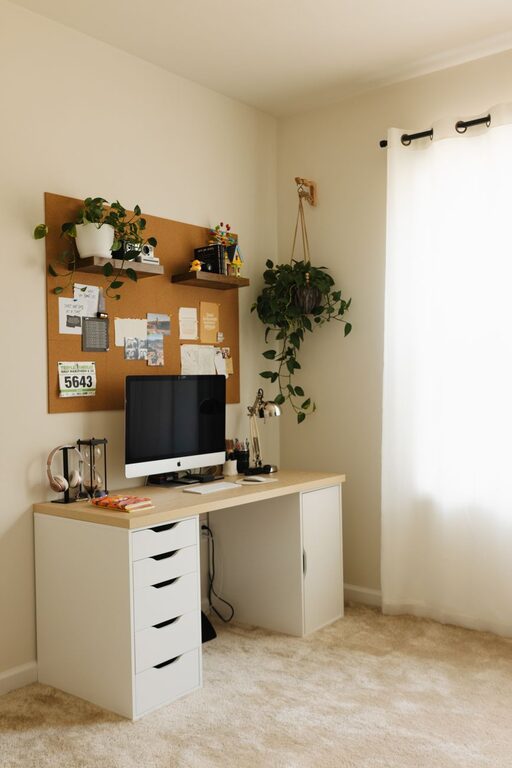
Creating a relaxing home office environment can make a big difference in your daily work experience. Whether you’re working remotely full-time or just need a comfortable spot for occasional tasks, a calm and well-organized workspace supports focus, reduces stress, and boosts productivity. Here are some helpful tips to design a home office that feels like your personal haven.
Choose the Right Location
Where you set up your home office matters. Ideally, choose a quiet area away from high-traffic zones in your home. This helps minimize distractions and enhances your ability to concentrate. If possible, select a space with natural light to brighten your work area and improve your mood. Avoid corners near noisy appliances or areas where family members frequently pass by.
Invest in Comfortable Furniture
Comfort is key when creating a relaxing workspace. A good office chair with ergonomic support preserves your posture and prevents discomfort during long work sessions. Likewise, a desk at the right height reduces strain on your wrists and neck. If space allows, consider a standing desk or one with adjustable height options, enabling you to alternate between sitting and standing throughout the day.
Declutter and Organize
A cluttered workspace can lead to a cluttered mind. Keep your desk tidy by only storing essential items within reach. Use organizers like trays, drawers, and shelves to keep stationery, documents, and gadgets neatly arranged. Regularly clear out documents you no longer need to maintain a clean and distraction-free environment.
Use Soothing Colors and Personal Touches
Colors influence mood. Soft, neutral tones—such as light blues, greens, or warm grays—help create a serene atmosphere. You might choose a calming color palette for your walls, décor, or accessories. Adding personal touches, like photos, plants, or artwork, can make the space feel inviting without overwhelming it. Plants, in particular, bring natural beauty and can improve air quality.
Control Lighting Effectively
Lighting plays a crucial role in how comfortable and focused you feel. Whenever possible, maximize natural light during the day. Supplement it with adjustable artificial lighting—such as a desk lamp with a soft glow—to reduce eye strain when working at night or on cloudy days. Avoid harsh overhead lights and glare on your computer screen.
Create Boundaries and Set Routines
A home office should feel distinct from your living space. If you share your home with others, establish boundaries to minimize interruptions during work hours. Use room dividers or position your desk in a way that signals “work mode.” Additionally, set clear routines to help your mind transition into and out of work. Regular breaks, designated work start and end times, and even a short walk can help maintain balance.
Manage Noise Levels
Noise can be a significant distraction. If your home has background noise, consider soundproofing options like rugs, curtains, or acoustic panels to soften sounds. Alternatively, using white noise machines or playing soft instrumental music can help mask irritating sounds and aid concentration.
Incorporate Technology Wisely
Technology makes remote work easier but can also cause stress if not managed well. Choose reliable hardware and keep your software up to date to avoid technical difficulties. Keep cables organized and out of sight to reduce clutter. Use apps and tools to stay organized but avoid overloading yourself with notifications.
Prioritize Wellness Elements
Taking care of your physical and mental wellbeing is important in a home office. Ensure your workspace has good ventilation to keep fresh air circulating. Keep water handy and remember to stay hydrated. Include elements that promote relaxation, such as a small diffuser with essential oils or calming background sounds.
Adapt and Personalize Over Time
Your ideal home office will evolve as your needs change. Periodically reassess your setup to see what’s working and what isn’t. Don’t hesitate to rearrange furniture, change décor, or try new organizational tools. Listening to your preferences will help you maintain a workspace that truly supports your productivity and wellbeing.
—
By applying these tips, you can transform any corner of your home into a relaxing and efficient office. The key is to create a space that feels calm, comfortable, and tailored to your work habits. A thoughtfully designed home office not only helps you get things done but also makes your daily routine more enjoyable.