 By
By 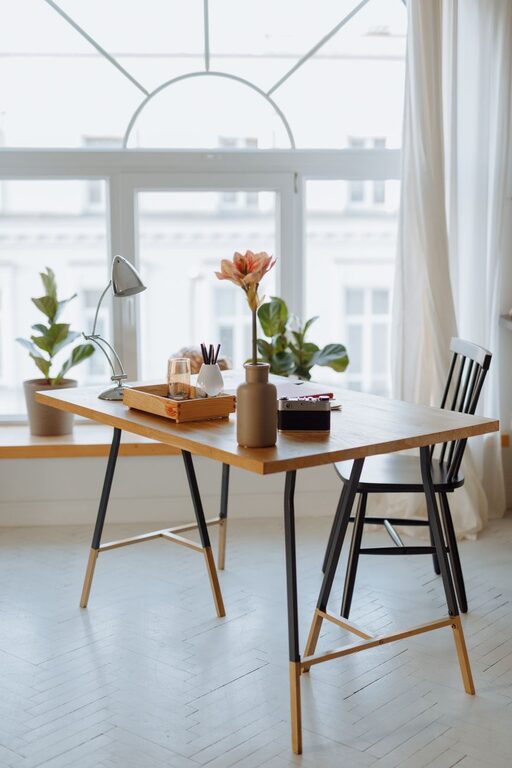
Creating a home office space that is both cozy and functional can make a big difference in your workday. Whether you’re working remotely full-time or just need a dedicated spot for occasional tasks, having a space that supports focus and comfort is key. In this post, we’ll share practical tips to help you design a home office that suits your style and work needs.
1. Choose the Right Location
The first step in setting up your home office is picking a suitable location. Here are some things to consider:
– Natural light: A spot near a window is ideal because natural light boosts mood and energy.
– Quiet environment: Choose a quiet corner to minimize distractions.
– Space availability: Make sure there’s enough room for your desk, chair, and other essentials.
If space is limited, consider creative options like a nook in the living room or a corner in your bedroom.
2. Invest in Ergonomic Furniture
Comfort is essential for productivity and health. Ergonomic furniture helps maintain good posture and reduces strain.
– Ergonomic chair: Choose one with adjustable height, lumbar support, and cushioned seating.
– Desk at proper height: Your desk should allow your forearms to rest parallel to the floor.
– Monitor placement: Position screens at eye level to avoid neck tension.
Investing in quality furniture may seem costly at first, but it pays off by improving comfort and reducing health issues.
3. Organize with Purpose
A cluttered workspace can lead to distraction and stress. Organizing your home office helps you stay focused and efficient.
– Use storage solutions: Shelves, filing cabinets, and drawers keep supplies out of sight but within reach.
– Desk organizers: Small trays or holders for pens, paper clips, and other frequently used items minimize mess.
– Cable management: Use clips or sleeves to keep cords tidy and prevent tangling.
Regularly declutter your space to maintain a fresh and inviting work area.
4. Enhance Lighting
In addition to natural light, proper lighting is important for a home office.
– Task lighting: A desk lamp with adjustable brightness helps reduce eye strain.
– Ambient lighting: Use soft overhead lights or lamps to create a warm atmosphere.
– Avoid glare: Position lights and screens carefully to prevent reflections.
Consider bulbs with adjustable color temperature for comfort during different times of the day.
5. Personalize Your Space
Adding personal touches makes your home office more inviting and uniquely yours.
– Decor: Hang artwork, photos, or inspirational quotes on your walls.
– Plants: Small plants or succulents improve air quality and create a calming vibe.
– Color scheme: Choose colors that energize or soothe you, like soft blues or warm neutrals.
Balance personalization with professionalism if you have video calls regularly.
6. Maintain a Comfortable Climate
Temperature and airflow affect focus and comfort throughout the day.
– Ventilation: Open windows or use a fan to keep fresh air circulating.
– Temperature control: Use a heater or air conditioner to maintain a comfortable temperature.
– Humidity: Consider a humidifier if the air is dry, especially in winter.
A comfortable climate helps you stay alert and reduces fatigue.
7. Incorporate Technology Wisely
Modern technology is essential, but too many devices can clutter your workspace.
– Essential gadgets only: Use devices directly related to your workflow.
– Wireless accessories: Wireless keyboards and mice reduce cable clutter.
– Charging stations: Designate a spot for charging phones and other devices to keep cords organized.
Regularly update software and hardware to ensure efficiency and security.
8. Create Defined Work Boundaries
Separating your work life from home life is crucial for balance.
– Set work hours: Stick to a schedule to create routine.
– Use a door or divider: If possible, use physical barriers to separate your office space.
– End-of-day ritual: Close your laptop, tidy your desk, and switch off office lights to signal the end of work.
These habits help you switch off mentally and relax after work.
9. Use Multi-Functional Furniture
If space is tight, multi-purpose furniture can maximize your area.
– Foldable desks: Save space when the desk is not in use.
– Storage ottomans: Provide seating and hidden storage.
– Wall-mounted shelves: Keep items accessible without taking up floor space.
Choose furniture that fits your style without compromising functionality.
10. Keep Comfort Accessories Nearby
Small comforts enhance your work experience.
– Cozy textiles: A soft throw blanket or cushion can boost warmth and comfort.
– Water bottle or coffee mug: Stay hydrated and enjoy your favorite drink.
– Footrest: Supports your legs and improves circulation.
These little additions help maintain comfort throughout your workday.
—
Designing a home office that is cozy and functional doesn’t have to be overwhelming. Keep your needs and preferences in mind, and create a space that supports your productivity and wellbeing. With thoughtful planning and organization, your home office can be a place where work feels a little easier and more enjoyable.