 By
By 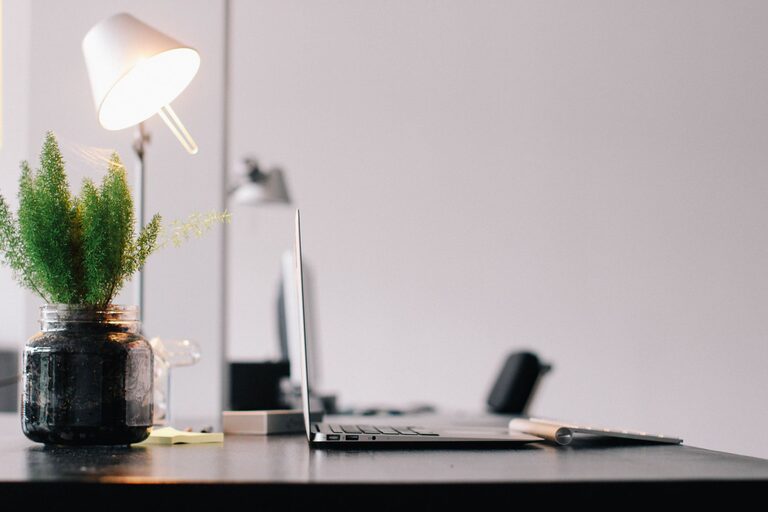
Creating a productive home workspace is essential for anyone working remotely or pursuing projects from the comfort of their own home. A well-designed workspace can improve focus, reduce distractions, and increase overall satisfaction with your workday. Whether you have a dedicated room or just a small corner, these practical tips will help you set up an efficient and inspiring environment.
1. Choose the Right Location
Consider Natural Light and Noise Levels
Select a spot in your home that receives ample natural light. Exposure to daylight can improve mood and energy levels. If possible, avoid areas with high foot traffic or noisy appliances to minimize distractions.
Separate Work from Relaxation
Try to create a workspace that is distinct from places where you relax, like your bedroom or living room couch. This separation helps your mind associate the space with productivity, making it easier to “switch on” when it’s time to work.
2. Invest in Ergonomic Furniture
Comfortable Chair
A supportive ergonomic chair is a must to maintain good posture and avoid back pain. Look for adjustable chairs with lumbar support that suit your height and body shape.
Desk Selection
Choose a desk with enough space for your computer, notes, and other tools. If standing feels better at times, consider a sit-stand desk that allows you to alternate between sitting and standing positions during the day.
3. Organize Your Workspace Efficiently
Declutter Regularly
Keep your desk tidy by removing unnecessary items. Clutter can overwhelm your mind and reduce focus. Use cable organizers to manage wires and keep your area neat.
Use Storage Solutions
Incorporate shelves, drawers, or bins to store documents, office supplies, and gadgets. Clearly labeled storage containers help you find what you need quickly, saving time and reducing stress.
4. Personalize Your Space
Add Inspiring Decor
Include items that motivate you, such as artwork, plants, or photos. Plants can improve air quality and add a calming touch to your workspace.
Maintain a Neutral Color Palette
Colors affect mood and concentration. Neutral tones with subtle accent colors often provide a relaxed yet focused atmosphere.
5. Optimize Lighting
Use Task Lighting
Even if your workspace has plenty of daylight, task lighting is important for late-night sessions or cloudy days. A desk lamp with adjustable brightness can reduce eye strain.
Avoid Glare
Position your computer and lighting sources to prevent screen glare. Consider an anti-glare screen protector if necessary.
6. Minimize Distractions
Set Boundaries with Family or Roommates
Communicate your work hours and the importance of minimizing interruptions. Use headphones or white noise machines to block distracting sounds.
Manage Digital Interruptions
Turn off non-essential notifications on your phone and computer during work hours. Use website blockers if needed to prevent access to distracting sites.
7. Maintain Good Air Quality and Temperature
Ventilation
Make sure your workspace is well-ventilated. Fresh air helps keep your mind alert and refreshed.
Room Temperature
Keep the temperature comfortable—not too hot or cold—to maintain concentration. A small fan or heater can help regulate the environment.
8. Develop a Routine
Consistent Work Hours
Try to start and finish work at the same times each day. A steady routine helps build productive habits.
Take Regular Breaks
Step away from your workspace periodically to stretch, hydrate, and rest your eyes. Short breaks help prevent burnout and maintain energy levels.
9. Equip Your Workspace with Essential Tools
Reliable Internet and Technology
Ensure your internet connection is strong and your hardware is reliable. Slow connections or malfunctioning equipment can disrupt your workflow.
Use Productivity Apps
Consider apps that help with task management, note-taking, or time tracking. These tools can keep you organized and accountable.
Final Thoughts
Creating a productive home workspace is about balancing comfort, functionality, and your personal preferences. Small changes can make a big difference in your ability to focus and stay motivated. Experiment with different setups until you find what works best for you, and remember that maintaining a clean and organized environment is an ongoing process.
With these tips, you’re well on your way to designing a home workspace that supports your productivity and well-being. Happy working!